Boost Your ROI: The Complete Guide to Laptop Asset Recovery
Laptop asset reclamation is a critical approach for companies aiming to maximize their return on investment. This process entails a structured method for handling aging equipment, striking a balance between value recovery and environmental responsibility and data security. Comprehending the intricacies of this approach may substantially affect operational effectiveness. Nevertheless, many companies miss key steps that would improve their reclamation initiatives. What are these steps, and how can they guarantee the greatest value from aging laptops?
Understanding Laptop Asset Recovery: Why It Matters
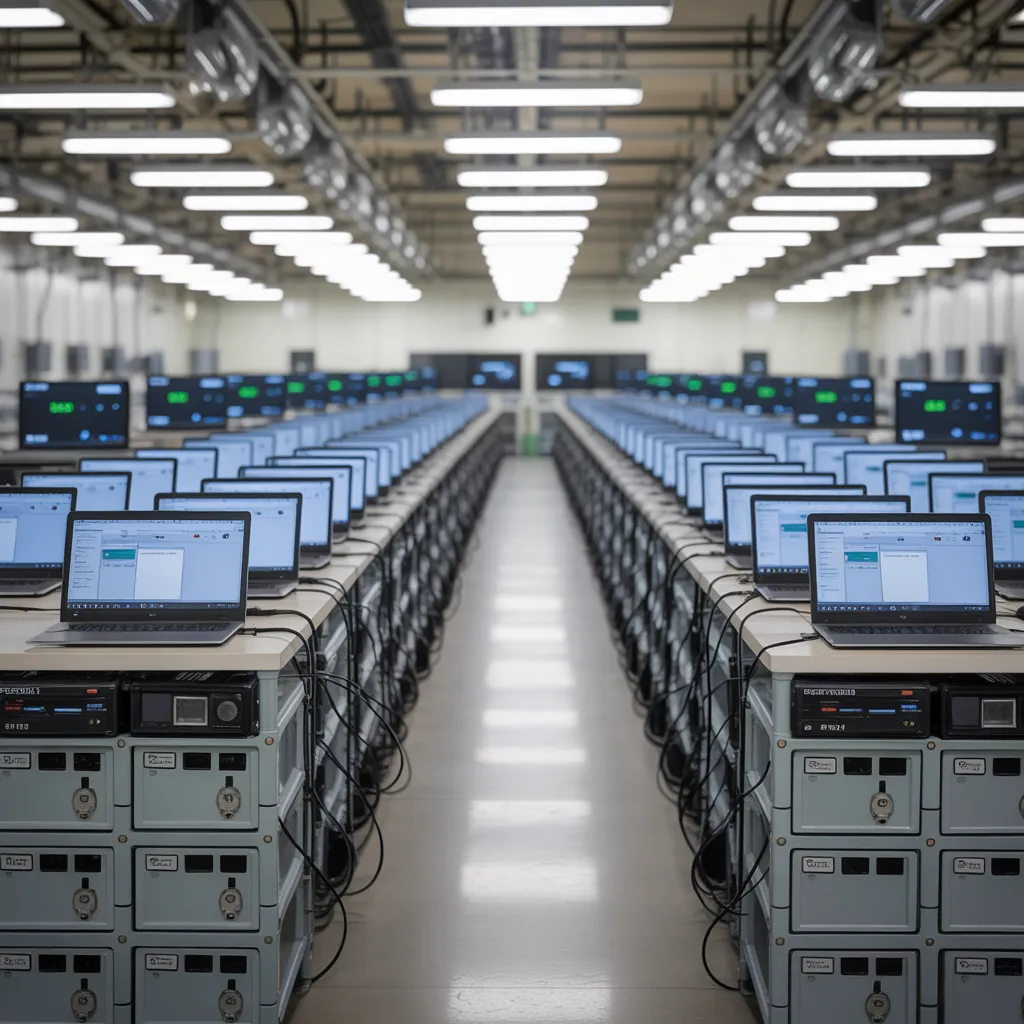
Grasping the concept of laptop asset recovery is vital for companies aiming to maximize the value of their technology assets. This systematic approach encompasses the structured handling of obsolete or unused laptops to reclaim value, limit waste, and maintain the security of sensitive data. By properly executing technology asset recovery methods, companies can minimize potential losses associated with declining technology assets.
The value of laptop asset recovery reaches further than financial advantages; it also involves environmental responsibility. Appropriate recycling and refurbishment procedures help reduce electronic waste, promoting environmentally responsible business operations. Additionally, companies can strengthen their standing by demonstrating commitment to sustainability and responsible resource management.
Furthermore, asset recovery is capable of streamlining inventory management, permitting organizations to track and manage their technology assets with greater efficiency. In summary, comprehending the value of laptop asset recovery arms organizations with the knowledge required to make educated decisions about their technology lifecycle, guaranteeing they maximize returns while fostering a responsible approach to asset management.
Discover the Worth of Your Old Laptops
In what ways can organizations precisely assess the worth of their outdated laptops? To assess the worth of outdated devices, organizations must consider several key factors. First, the age and condition of the laptops play a vital role; more recent models that are in good condition generally command higher prices. Key specifications like processor speed, RAM, and storage capacity likewise play a substantial role in determining worth.
In addition, consumer demand for particular brands or models can vary, impacting the potential for resale. Businesses should investigate existing market trends and evaluate similar listings on resale platforms to evaluate competitive price points.
Organizations must also evaluate existing software installations and warranties that might increase the device's worth. Ultimately, businesses might utilize expert appraisal services to obtain a more precise valuation. By methodically reviewing these components, companies can accurately establish the worth of their aging laptops, guaranteeing the highest possible return on investment throughout the asset recovery process.
Top Techniques to Sell or Recycle Your Old Laptops
Companies can explore a variety of reliable methods to dispose of or resell their old laptops successfully. One popular approach is using online marketplaces, such as eBay or Amazon, where they can connect with a large audience. Another option involves collaborating with specialized resellers who specialize in refurbished electronics, delivering a simplified process for offloading multiple units at once.
Additionally, companies can explore trade-in programs facilitated by manufacturers, which often provide discounts toward future purchases. For sustainability-minded companies, partnering with certified e-waste report programs secures proper disposal while meeting regulatory requirements.
Community organizations and schools may also accept donations, offering a valuable tax benefit while supporting local community growth. Finally, arranging a laptop trade-in event can generate enthusiasm and streamline large-scale transactions. By implementing these approaches, businesses can get the most value from their outdated devices while encouraging eco-friendly practices.
Essential Factors for Selecting an Asset Recovery Partner
When identifying an asset recovery specialist, expertise and industry experience are critical elements that can considerably affect results. Additionally, compliance with regulatory standards and comprehensive data security practices are critical to safeguard sensitive data during the recovery process. Reviewing these considerations establishes a trustworthy and efficient partnership.
Industry Experience and Expertise
Choosing a partner for asset recovery relies heavily on their industry experience and expertise. An experienced partner has an in-depth knowledge of market trends, which can enhance the recovery process and improve financial returns. Their expertise regarding different laptop models and their remaining values allows for precise evaluations and effective resale strategies. Moreover, seasoned partners often have established relationships with potential buyers, enabling faster transactions and improved pricing. They may also demonstrate proficiency in device refurbishment methods, guaranteeing that devices re-enter the market in top condition. At the end of the day, selecting a partner with a strong background and expertise can substantially affect an organization's return on investment, establishing it as a key consideration in the process of making asset recovery decisions.
Security Compliance and Data Protection
At a time when data breaches are on the rise, prioritizing compliance and data security is critical for any asset recovery partner. Organizations must prioritize partners that adhere to relevant regulations, such as GDPR and HIPAA, to safeguard sensitive information during the recovery process. A reliable partner should have comprehensive data destruction protocols, ensuring that all data is irretrievably wiped from devices before being disposed of or resold. Additionally, certifications such as NAID AAA and R2 indicate a commitment to high standards in data security and environmental responsibility. By selecting an asset recovery partner that focuses on compliance and data security, businesses can mitigate risks, safeguard their brand image, and optimize the financial return from their retired laptop assets.
Apply Data Security Protocols Prior to Disposal
Prior to discarding laptops, implementing robust data security measures is essential to safeguard confidential data. Businesses must place importance on the secure removal of data stored on their devices to avoid unauthorized access following disposal. This entails employing dedicated software that complies with industry benchmarks for data wiping, making certain that all stored data is completely and irreversibly removed.
Furthermore, physical destruction of hard drives might be needed for particularly sensitive data. Processes such as mechanical shredding or degaussing ensure the data becomes unreadable, adding an additional layer of security. It is furthermore necessary to keep thorough records of the disposal process, recording the methods employed and the staff involved.
Educating employees on the value of data security during asset recovery can further enhance safeguards against potential breaches. By establishing comprehensive security protocols, organizations can reduce risks associated with data exposure, consequently protecting their reputation and compliance with regulatory requirements.
Environmental Benefits of Laptop Asset Recovery
The recovery of laptop assets provides notable environmental benefits by decreasing the burden of electronic waste. By recycling and refurbishing old devices, this method protects precious natural resources and decreases the reliance on new materials. Additionally, it promotes sustainable practices that contribute to a healthier planet.
Lowering Electronic Waste Impact
As technology continues to advance, the environmental impact of electronic waste becomes increasingly essential. The recovery of laptop assets serves a vital function in mitigating this issue by minimizing the quantity of abandoned electronics. When laptops are restored or repurposed, fewer devices are sent to disposal sites, where they can leach harmful substances into soil and water. Furthermore, recovery initiatives often incorporate sustainable disposal practices, ensuring that dangerous substances are processed responsibly. By maximizing the operational lifespan of laptops, businesses not only reduce unnecessary waste but also help build a more eco-conscious future. This initiative not only benefits the environment but also strengthens a company's social responsibility, demonstrating a commitment to eco-friendly practices. In the end, well-executed laptop asset recovery programs significantly reduce the environmental impact of e-waste.
Protecting Natural Resources
Laptop recovery plays a significant role in the conservation of natural resources. By reclaiming materials such as metals, plastics, and glass, the need for virgin materials is reduced, reducing the environmental strain associated with extraction and production. For instance, extracting metals like gold and copper from raw sources is resource-intensive, while repurposing existing materials uses far less energy and water. Moreover, laptop refurbishment programs reduces the carbon footprint connected to manufacturing and distribution activities. By recycling and renewing devices, businesses can extend the lifecycle of their technology, additionally preserving resources. This approach not only benefits the environment but also fosters a circular economy, advancing a sustainable approach to electronic consumption and waste management.
Championing Sustainable Practices
Notable environmental benefits result from championing eco-friendly methods in laptop refurbishment and recovery. By repurposing and restoring old laptops, enterprises can greatly decrease digital waste, which creates major environmental threats. This approach reduces the requirement for new natural resources, thereby protecting natural reserves and lowering CO2 emissions tied to manufacturing. Moreover, conscientious recycling of parts guarantees harmful materials are managed securely, stopping land and water pollution. Sustainable practices also encourage a circular economy, where hardware is repeatedly refurbished, maximizing their operational longevity. By embracing these methods, companies not only strengthen their CSR commitments but also promote a more sustainable Earth, demonstrating that commercial success can integrate perfectly with sustainable stewardship.
How to Measure Your Laptop Recovery ROI
How can organizations effectively assess the return on investment (ROI) from laptop asset recovery initiatives? To accurately measure ROI, companies should first calculate the total costs associated with the recovery process, including shipping, restoration, and secure data removal. Following this, they must examine the revenue produced by remarketing or recycling the reclaimed devices. This involves monitoring income from resale proceeds and possible cost reductions in disposal expenses.
Furthermore, organizations can assess subjective improvements, such as elevated brand reputation through eco-conscious approaches and improved employee satisfaction from conscientious resource handling. Examining these elements offers a thorough assessment of the project's influence.
Finally, implementing critical performance metrics can help companies measure progress over time, guaranteeing that the laptop asset recovery process continues to support broader organizational goals. By systematically evaluating both measurable and descriptive elements, businesses can make data-driven decisions regarding their recovery approaches.
Questions We Often Receive
Which Laptop Types Qualify for Asset Recovery Programs?
Laptops that qualify for asset recovery generally encompass a wide range of brands and models, with a focus on devices that are in good working order, outdated models with resale value, and even damaged units that can be refurbished or recycled for parts.
How Long Does the Laptop Recovery Process Typically Take?
The process of recovering laptops typically takes anywhere from two to four weeks, based on variables like the condition of the devices, the number of laptops undergoing recovery, and how efficient the chosen recovery service is.
Can I Recover Data From Non-Working Laptops?
Indeed, it is frequently possible to recover data from faulty laptops. Experts employ specialized tools and techniques to retrieve data from damaged drives, although outcomes differ based on the severity of the damage and the particular condition of the laptop.
What Certifications Should My Asset Recovery Partner Have?
A qualified asset recovery partner should possess credentials including R2, e-Stewards, and ISO 14001. These credentials guarantee compliance with environmental guidelines, data protection protocols, and ethical recycling practices, consequently strengthening confidence and dependability in their offerings.
Are There Any Charges Linked to Laptop Asset Recovery Services?
Indeed, these recovery services can include several charges, including transportation, assessment, or processing fees. It is important for companies to clarify these costs with their service provider to avoid unexpected expenses during the laptop recovery process.